Mastering the 3D Twitter Icon Concept
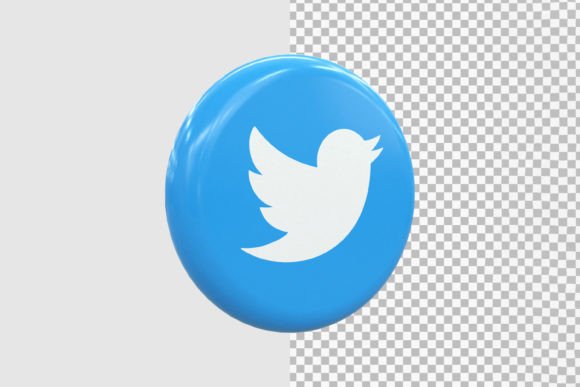
In the fast-paced world of digital marketing and social media management, visual identity is not just an accessory; it is the cornerstone of brand recognition. As platforms evolve, so do the expectations for aesthetic quality. This is where the 3d Twitter Icon Concept 3d Rendering becomes an invaluable asset for creators who refuse to settle for flat, two-dimensional graphics. Whether you are a freelance designer, a social media manager, or an entrepreneur building a personal brand, integrating high-quality three-dimensional elements into your workflow can significantly elevate your content’s perceived value.
The shift toward depth, texture, and lighting in iconography reflects a broader trend in user interface design. Users are drawn to visuals that feel tactile and real. A well-executed 3D render captures attention in a crowded feed, offering a sense of sophistication that standard vector icons often lack. By utilizing a pre-rendered concept, you bypass the steep learning curve and time investment associated with creating complex 3D models from scratch, allowing you to focus on strategy and engagement rather than technical modeling.
Why High-Resolution Renders Matter
One of the most critical aspects of any digital asset is its resolution. Low-quality images appear pixelated on high-density displays, such as Retina screens and modern smartphones, which can inadvertently signal a lack of professionalism. The popular 3d rendering colorful 3d icons high resolution render standards have shifted dramatically. Today, a resolution of 4500 x 3000 pixels at 300 DPI is not just a luxury; it is a necessity for versatility.
This level of detail ensures that your icon looks crisp whether it is used as a small profile picture, a large header image, or even in printed marketing materials. When you download a template with these specifications, you are future-proofing your design. You never have to worry about upscaling artifacts or blurry edges. The clarity allows for subtle details—such as light reflections, shadows, and surface textures—to shine through, adding a layer of realism that engages viewers on a subconscious level.
Streamlining Your Workflow with Smart Objects
Time is the most scarce resource for any creative professional. The traditional process of 3D rendering involves modeling, texturing, lighting, and rendering, which can take hours or even days. However, modern templates are designed with efficiency in mind. The key feature that makes these assets truly powerful is the use of Smart Object Replacement Layers.
These layers are meticulously organized to ensure a seamless editing experience. Instead of navigating complex 3D software, you simply open the included PSD file in Photoshop. The process is incredibly intuitive: you double-click on the smart object layer, make your edits or swap out the logo, save, and the changes automatically update in the main composition. This "very easy to use" approach means that even users with minimal Photoshop experience can achieve professional-grade results with just a few clicks.
Furthermore, the flexibility extends beyond simple logo swaps. All colors can be changed easily, allowing you to align the icon perfectly with your brand guidelines. Whether your brand palette consists of vibrant neons or muted pastels, the template adapts without losing its dimensional integrity. This adaptability is crucial for agencies managing multiple clients or creators who frequently refresh their visual themes.
Practical Applications Across Industries
The utility of a 3d Twitter Icon Concept 3d Rendering extends far beyond a single social media platform. Here is how different professionals can leverage this asset:
- Social Media Managers: Use the icon to create cohesive highlight covers for Instagram stories or as a distinctive watermark for video content. The 3D effect helps your brand stand out in a sea of flat designs.
- Web Designers: Incorporate the high-resolution render into website headers, landing pages, or app interfaces to add depth and modernity to the user experience.
- Digital Marketers: Utilize the icon in email newsletters and digital ad campaigns. The eye-catching nature of 3D graphics can improve click-through rates by drawing attention to call-to-action buttons.
- Educators and Bloggers: Enhance presentation slides and blog post featured images. A visually appealing icon can break up text-heavy content and make educational material more engaging.
- Entrepreneurs: Use the render for business cards, pitch decks, and merchandise mockups. The high DPI ensures that the image remains sharp in print, maintaining a premium brand image.
Maximizing Brand Consistency and Engagement
Consistency is key to building trust with your audience. When your visual assets maintain a uniform style, color scheme, and quality, it reinforces brand recall. A colorful 3d icon that matches your existing branding creates a harmonious visual language across all touchpoints. This consistency helps users instantly recognize your content, even before they read your name.
Moreover, the psychological impact of 3D design should not be underestimated. Three-dimensional objects feel more tangible and trustworthy. They suggest effort, quality, and attention to detail. By using a high-quality render, you are subtly communicating to your audience that you value excellence. This perception can lead to higher engagement rates, as users are more likely to interact with content that appears polished and professional.
Considerations for Selection and Implementation
When selecting a 3D icon template, there are a few practical considerations to keep in mind. First, always check the file organization. A well-organized PSD with clearly labeled layers saves time and reduces frustration. Look for templates that include both PSD and JPG files, giving you flexibility depending on your software capabilities.
Second, verify the licensing terms. Ensure that the template allows for commercial use if you plan to use it for client work or product sales. Most reputable creators provide clear guidelines, but it is always wise to double-check.
Finally, remember that the images provided in previews are often examples for presentation purposes only. The true value lies in your ability to customize the asset. Take the time to experiment with different colors and lighting adjustments to find the perfect look for your specific needs. Do not be afraid to tweak the settings to make the icon uniquely yours.
In conclusion, integrating a 3d Twitter Icon Concept 3d Rendering into your design toolkit is a smart move for anyone looking to enhance their digital presence. With its high resolution, ease of use, and customizable features, it offers a perfect blend of aesthetics and efficiency. Thanks for Download And also see my other works. maybe you like it too. By leveraging these tools, you can create stunning visuals that captivate your audience and elevate your brand to new heights.