Mastering Visual Impact: The Strategic Role of the Eye Icon in 3D Rendering
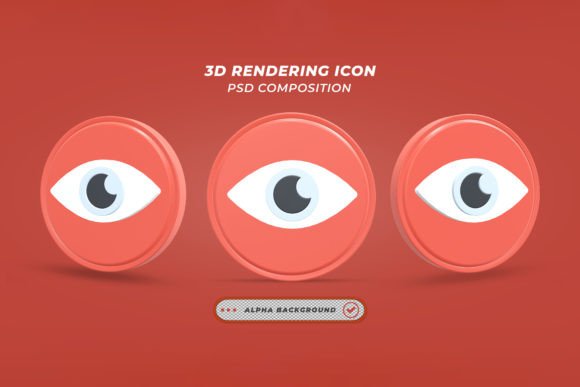
In the rapidly evolving landscape of digital design, the intersection of symbolic clarity and photorealistic presentation has become a critical focal point for creators across industries. One specific element that bridges this gap is the Eye Icon in 3d Rendering. While often overlooked as a mere user interface component, the eye symbol carries profound weight in visual communication, representing visibility, insight, and attention. When translated into three-dimensional space, this simple glyph transforms from a flat graphic into a tangible object that can convey depth, texture, and materiality. This transformation is not merely aesthetic; it serves functional purposes in software demonstrations, branding materials, and educational resources where the concept of "seeing" or "viewing" needs to be communicated with high fidelity.
The demand for high-quality assets that are both visually striking and technically flexible has led to the development of specialized templates. These resources are designed to streamline the workflow for designers who need to integrate complex 3D elements without starting from scratch. By utilizing pre-configured scenes, professionals can focus on the creative aspects of their projects rather than the technical hurdles of lighting, camera angles, and polygon modeling. The result is a seamless integration of symbolic imagery into high-resolution presentations, ensuring that the final output meets the rigorous standards of modern digital media.
The Technical Foundation of High-Resolution 3D Assets
When evaluating the utility of any 3D asset, resolution and detail are paramount. A standard Eye Icon in 3d rendering must maintain its crispness across various mediums, from large-format prints to high-density digital displays. Professional-grade templates typically offer an object resolution of 4500 x 3000 pixels at 300 DPI (dots per inch). This specification ensures that the rendered image retains sharp edges and smooth gradients, eliminating the pixelation that often plagues lower-quality exports. For designers working on print collateral such as brochures, posters, or packaging, this level of detail is non-negotiable. It allows for close-up inspection without loss of quality, reinforcing the perceived value of the brand or product being showcased.
Beyond resolution, the structural integrity of the file plays a crucial role in usability. High-quality templates utilize Smart Object Replacement Layers, a feature inherent to advanced Photoshop workflows. This technology allows users to swap out textures, colors, or even underlying shapes with minimal effort. Instead of manually adjusting hundreds of layers to match a new color scheme, a designer can simply double-click the smart object, make their edits in a separate window, and save. The changes automatically propagate through the entire composition, updating shadows, highlights, and reflections in real-time. This organizational structure not only saves time but also reduces the likelihood of human error, ensuring consistency across multiple design iterations.
Accessibility and Ease of Use for Diverse Creators
One of the most significant barriers to entry in 3D design is the steep learning curve associated with modeling software. However, the modern approach to asset creation prioritizes accessibility. Templates featuring an Eye Icon in 3d Rendering are crafted with the explicit aim of making high-end visual effects accessible to users with varying levels of expertise. Whether you are a seasoned graphic designer, a marketing professional, or a hobbyist exploring digital art, the workflow is designed to be intuitive. The process is reduced to just a few clicks, democratizing access to professional-grade visuals.
The ease of editing extends beyond simple color changes. Because the files are highly organized, users can navigate the layer structure with confidence. All colors can be changed easily through adjustment layers or hue/saturation controls, allowing for rapid prototyping of different brand identities. For instance, a tech company might prefer a sleek, metallic blue finish for their eye icon, while a healthcare provider might opt for a soft, matte white or green to convey trust and calm. The flexibility of the template accommodates these diverse needs without requiring a complete redesign. Furthermore, the inclusion of both PSD and JPG files ensures compatibility with a wide range of software ecosystems. While the PSD file offers full editability for those with Adobe Photoshop, the high-resolution JPG provides a ready-to-use asset for users who need immediate implementation without further modification.
Practical Applications Across Industries
The versatility of a 3D rendered eye icon makes it applicable to a broad spectrum of industries. In the realm of software and application development, the eye icon is universally recognized as a toggle for visibility, such as showing or hiding passwords. A 3D representation of this icon can be used in promotional videos, app store screenshots, or onboarding tutorials to add a layer of sophistication and modernity to the user interface demonstration. It helps potential users visualize the interactivity and polish of the software before they even download it.
In marketing and advertising, the eye symbol is powerful for campaigns focused on vision, clarity, or oversight. Security firms might use a metallic, robust 3D eye to represent surveillance and protection, while optical retailers could use a glass-like, transparent render to highlight lens clarity and precision. The ability to customize the material properties—such as glossiness, roughness, and transparency—allows marketers to align the visual metaphor closely with their brand message. Additionally, educators and researchers can utilize these assets in presentations to illustrate concepts related to perception, biology, or data visualization, where the act of "seeing" is central to the topic.
For e-commerce and product presentation, these templates serve as excellent mockup tools. Designers can place their own logos or icons onto the 3D surface, creating realistic previews of how a brand might look in a physical or digital space. This is particularly useful for pitch decks and client proposals, where the visual impact can significantly influence decision-making. The high resolution ensures that even when zoomed in during a presentation, the details remain sharp and professional.
Considerations for Effective Implementation
While the tools are designed to be user-friendly, achieving the best results requires an understanding of visual hierarchy and context. When integrating an Eye Icon in 3d Rendering into a larger composition, it is essential to consider lighting and background contrast. The pre-set lighting in high-quality templates is usually optimized to highlight the contours of the object, but users should ensure that the surrounding elements do not compete for attention. The goal is to guide the viewer’s gaze naturally toward the icon, leveraging its three-dimensional form to create depth in an otherwise flat layout.
It is also important to note that all images that are not included are examples for presentation purposes only. This means that any background scenery, additional props, or contextual elements seen in preview images may not be part of the downloadable package. Users should focus on the core asset—the 3D eye icon—and build their unique environment around it. This approach encourages creativity and ensures that the final design is original and tailored to specific project requirements. By treating the template as a foundational building block rather than a finished product, designers can unlock its full potential.
Enhancing Workflow Efficiency
Time is a valuable resource in any creative profession. The ability to edit assets quickly and efficiently can mean the difference between meeting a deadline and falling behind. With 100 very easy to edit features, these templates eliminate the repetitive tasks that often bog down design processes. The smart object functionality alone can save hours of work per project, allowing designers to take on more clients or dedicate more time to strategic thinking. Moreover, the organized file structure reduces cognitive load, enabling users to find what they need instantly without sifting through cluttered layers.
For teams working collaboratively, standardized templates ensure consistency across deliverables. When multiple designers are working on different aspects of a campaign, using the same base template for 3D elements ensures that the visual language remains cohesive. This is particularly important for large organizations where brand guidelines must be strictly adhered to. The ease of changing colors and materials allows for quick adjustments based on feedback, facilitating a smoother review and approval process.
As digital content continues to dominate communication channels, the quality of visual assets becomes increasingly important. A well-rendered 3D icon can elevate a brand’s perception, conveying professionalism and attention to detail. By leveraging tools that combine high technical specifications with user-friendly design, creators can produce standout content that resonates with their audience. The Eye Icon in 3d Rendering is more than just a graphic; it is a versatile tool for storytelling, branding, and engagement.
For those looking to expand their library of high-quality assets, exploring additional works from the same creator can provide further opportunities for enhancement. Many designers offer complementary templates that follow similar organizational principles, allowing for a cohesive suite of tools. Whether you are designing for web, print, or video, investing in reliable, easy-to-use 3D resources can significantly enhance your creative output. Thanks for Download and considering the value of structured, high-resolution design assets in your workflow. Explore other available works to find additional elements that may complement your current projects, ensuring a comprehensive and professional design toolkit.