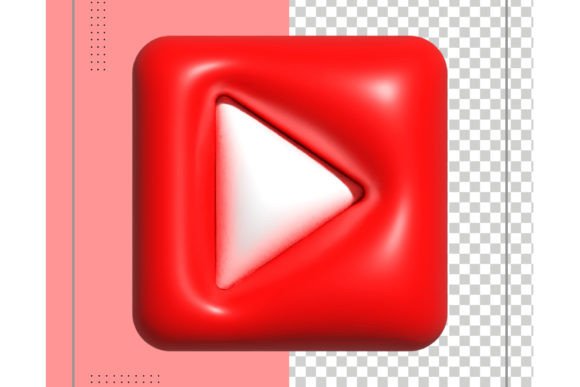
Player Concept Button in 3D Rendering
In the fast-paced world of digital design, the difference between a good concept and a great presentation often lies in the details. Whether you are designing user interfaces for video games, creating marketing assets for app launches, or building portfolios for freelance clients, the visual fidelity of your elements matters. This is where the Player Concept Button in 3d Rendering becomes an indispensable tool. It bridges the gap between flat design and immersive depth, offering a tangible quality that captures attention instantly.
For creators, designers, and marketers, time is as valuable as creativity. The pressure to deliver high-resolution, professional-grade assets quickly can be overwhelming. Traditional 3D modeling requires hours of lighting adjustments, texture mapping, and rendering. However, modern design workflows demand efficiency without compromising quality. A well-crafted template allows you to bypass the technical heavy lifting and focus entirely on the creative direction, ensuring your final output is both stunning and delivered on schedule.
Elevating Visual Depth with Smart Design
The appeal of a 3D rendered button lies in its ability to convey interactivity and premium quality. Unlike flat vector graphics, a 3D object possesses weight, shadow, and perspective. When integrated into a player concept or a game interface mockup, it suggests a tactile experience. Users are more likely to engage with elements that look clickable and robust. This psychological cue is essential for UI/UX designers who need to demonstrate how a final product will feel to the end-user.
What makes this specific approach interesting is its versatility. A single button design can be adapted to fit various themes—cyberpunk, fantasy, minimalist, or retro—simply by changing colors and textures. By utilizing a Player Concept Button in 3d Rendering, you are not just inserting an image; you are adding a layer of sophistication to your project. It signals to clients and stakeholders that attention has been paid to the micro-interactions and visual hierarchy of the design.
Simplifying the Workflow for Every Creator
One of the most significant barriers to adopting 3D elements is the perceived complexity of editing them. Many designers hesitate because they fear they need advanced knowledge of software like Blender or Cinema 4D. This template eliminates that friction entirely. It is built with the explicit aim of making it easier for users, regardless of their technical background. With just a few clicks, you can transform a generic asset into a customized component that fits your unique brand identity.
The core feature enabling this ease of use is the inclusion of Smart Object Replacement Layers. These layers are very organized, ensuring that you never have to hunt through dozens of unnamed folders to find the right element. The process is intuitive: all you need to do is double-click on the smart object, edit your design or color scheme, and save. The changes automatically update across the entire composition, maintaining all lighting effects, shadows, and reflections perfectly. This non-destructive workflow ensures that you can experiment freely without the risk of ruining the original file.
High-Quality Resolution for Professional Output
Quality cannot be an afterthought. In an era where screens range from mobile devices to large 4K monitors, resolution matters. This template delivers an object resolution of 4500 x 3000 pixels at 300 DPI. This specification is crucial for two reasons. First, it ensures that your images remain crisp and sharp even when zoomed in or printed on high-quality marketing materials. Second, it provides ample space for cropping and recomposing without losing detail.
For bloggers, publishers, and small business owners, having access to such high-resolution assets means you can use the same image across multiple platforms. You can crop a close-up for an Instagram post, use the full width for a website banner, and include a detailed view in a PDF brochure. The consistency in quality helps maintain a professional brand image across all touchpoints. Furthermore, the inclusion of both PSD and JPG files offers flexibility. Use the PSD for further customization in Photoshop, or grab the JPG for immediate use in presentations or social media posts.
Creative Applications Across Industries
The utility of a 3D rendered button extends far beyond game development. Here is how different professionals can adapt this resource for their specific goals:
- Game Developers: Use these buttons to create cohesive UI kits for main menus, inventory screens, or action bars. The 3D aesthetic helps establish the game’s art style early in the pitch phase.
- Marketing Agencies: Incorporate these elements into ad creatives to highlight call-to-action areas. A 3D button stands out against flat backgrounds, potentially increasing click-through rates.
- Educators and Trainers: Enhance e-learning modules with interactive-looking elements that guide students through content. The visual clarity helps in explaining navigation flows.
- Freelance Designers: Speed up client deliveries by using these templates as starting points. Show clients multiple color variations quickly to gather feedback efficiently.
Each of these applications benefits from the template’s organization. Because all colors can be changed easily, you can align the asset with any brand guideline. Whether your client needs a neon green for a tech startup or a muted gold for a luxury brand, the adjustment takes seconds rather than hours.
Maintaining Consistency and Originality
While templates provide a foundation, originality comes from how you customize them. To keep your results clear and effective, consider the context in which the button will appear. If the background is busy, ensure the button has enough contrast to stand out. Use the smart object layers to tweak the lighting intensity if necessary, ensuring the element integrates seamlessly with the rest of your composition.
It is also important to remember that all images that are not included are examples for presentation purposes only. This means the surrounding environment in the preview might differ from your final project. Focus on the button itself and how it interacts with your specific layout. By treating the template as a flexible component rather than a rigid final product, you maintain creative control while benefiting from professional-grade rendering.
Final Thoughts on Efficient Creativity
Embracing tools that streamline your workflow does not diminish your skill as a designer; it enhances it. By reducing the time spent on technical execution, you free up mental energy for strategic thinking and artistic refinement. The Player Concept Button in 3d Rendering is more than just a file download; it is a catalyst for productivity. It allows you to produce 100 very easy to edit variations, ensuring you always have the right asset for the right moment.
As you explore the possibilities of this template, remember that the best designs are those that solve problems elegantly. Whether you are aiming to impress a client, engage an audience, or simply organize your own portfolio, high-quality 3D elements provide the polish that sets professional work apart. Thanks for Download And also see my other works. maybe you like it too. Continue to experiment, iterate, and push the boundaries of what your digital creations can achieve.