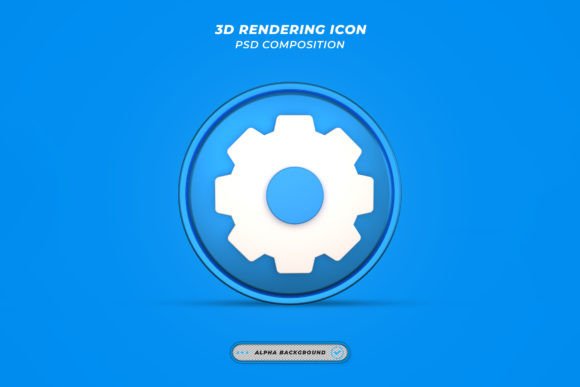
Unique 3D Setting Icon: Simple Model Guide
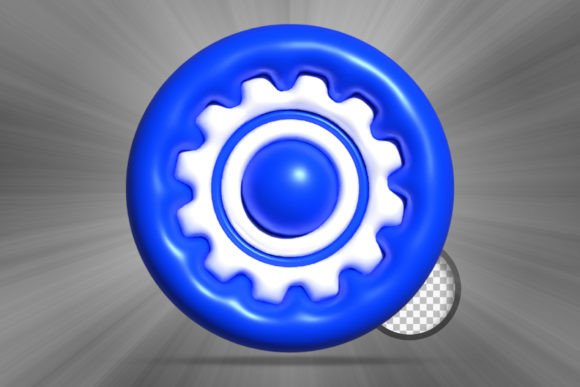
In the fast-paced world of digital design, clarity and speed are just as valuable as aesthetic appeal. Whether you are building a mobile application interface, designing a presentation deck for stakeholders, or crafting social media assets for a brand launch, the visual elements you choose communicate volume before a single word is read. This is where the Unique 3d Setting Icon Simple 3d Model becomes an indispensable resource for modern creators. It bridges the gap between complex, time-consuming 3D modeling and the need for clean, professional visuals that load quickly and look stunning on high-resolution displays.
The shift toward three-dimensional iconography in user interface design is not merely a trend; it is a response to the human desire for depth and tangibility in digital spaces. Flat design served its purpose well, but as screens become sharper and processing power increases, users expect interfaces that feel more interactive and grounded. A simple 3D model offers that tactile quality without the visual clutter that often accompanies detailed renders. By utilizing a pre-made, high-quality template, designers can bypass the steep learning curve of 3D software while still delivering premium results.
Elevating Visual Communication with Depth
What makes this specific approach to icon design so effective is its balance of simplicity and sophistication. The Unique 3d Setting Icon Simple 3d Model is designed to be versatile. It does not overpower the content it accompanies; instead, it enhances it. When you integrate these icons into your workflow, you are adding a layer of professionalism that signals attention to detail. For marketers and entrepreneurs, this translates to higher perceived value. For educators and publishers, it means better engagement through visually distinct markers that guide the reader’s eye.
Consider the technical specifications that drive this utility. With a High-Quality 3D Rendering Object Resolution of 4500 x 3000 at 300 DPI, these assets are print-ready and screen-perfect. This level of resolution ensures that whether your final output is a large-format poster or a retina-display app icon, the edges remain crisp and the lighting effects appear natural. The colorful nature of popular 3D rendering allows for immediate visual categorization. You can use color psychology to direct user behavior—using warm tones for alerts or actions, and cool tones for informational settings.
Streamlining Your Creative Workflow
One of the most significant barriers to adopting 3D elements has historically been the complexity of the software involved. Traditional 3D modeling requires knowledge of lighting, texturing, rigging, and rendering engines. However, this template is built with the explicit aim of making it easier for users. The philosophy here is accessibility without compromise. With just a few clicks, you can achieve results that would typically take hours to model from scratch.
The file structure is optimized for efficiency. Included are both PSD and JPG formats, ensuring compatibility with a wide range of design tools. The PSD files feature Smart Object Replacement Layers that are very organized. This organization is crucial for maintaining sanity during tight deadlines. Instead of digging through dozens of unnamed layers, you find a logical hierarchy that respects your time. The process is intuitive: all images are set up so that you can double-click on the smart object, edit your specific graphic or color, save, and see the changes reflect instantly on the 3D model.
Practical Applications Across Industries
The versatility of these 3D icons means they can be adapted for a multitude of projects. Here is how different professionals can leverage this tool:
- App Developers: Use the setting icons to create intuitive navigation menus. The 3D depth helps distinguish interactive elements from static background content, improving usability.
- Digital Marketers: Incorporate these high-resolution renders into email newsletters or landing pages. The vibrant colors and clean lines stand out in crowded inboxes, increasing click-through rates.
- Presentation Designers: Replace bullet points with 3D icons to break up text-heavy slides. This keeps the audience engaged and helps visualize key concepts more effectively.
- Social Media Managers: Create cohesive post templates using the consistent lighting and style of the 3D models. This builds brand recognition and makes your feed look polished and professional.
For freelancers and small business owners, time is money. Being able to edit these assets quickly means you can respond to client feedback in real-time. If a client wants the icon to match their brand palette, the ability to change all colors easily is a game-changer. You are not locked into a single look; the template is a starting point for your unique creative vision.
Maintaining Consistency and Quality
While the ease of use is a major benefit, maintaining a high standard of output requires a disciplined approach. When using popular 3d rendering colorful 3d icons, it is important to ensure that the style remains consistent across your entire project. Mixing overly complex 3D renders with flat vector graphics can create visual dissonance. Stick to the aesthetic provided by the template to create a harmonious design language.
Furthermore, always remember that all images that are not included are examples for presentation purposes only. This is a standard disclaimer, but it serves as a reminder to customize the assets to fit your specific context. Do not rely solely on the default textures if they do not align with your brand identity. Use the smart object features to inject your own logos, patterns, or color schemes. This customization is what transforms a generic template into a unique brand asset.
To keep your results clear and effective, pay attention to lighting and shadows. Even though the template handles the heavy lifting of rendering, understanding how light interacts with your 3D objects can help you place them correctly in your compositions. Ensure that the light source in your 3D render matches the implied light source in your overall design layout. This subtle detail adds to the realism and professionalism of the final piece.
Expanding Your Creative Toolkit
Adopting tools like the Unique 3d Setting Icon Simple 3d Model is about more than just saving time; it is about expanding what you believe is possible in your designs. When the technical hurdles are removed, you are free to focus on creativity, strategy, and storytelling. You can experiment with different angles, compositions, and color combinations without the fear of breaking the model or spending days on rendering.
For those looking to further enhance their portfolio, exploring variations of these models can lead to new stylistic discoveries. Try combining multiple icons to create scenes, or use them as masks for photography. The high resolution allows for cropping and resizing without loss of quality, giving you the freedom to experiment with layout and scale.
Ultimately, the goal is to produce work that resonates with your audience. Whether you are designing for a tech-savvy demographic that appreciates modern aesthetics or a corporate client that values clarity and precision, these 3D icons provide a solid foundation. They are 100% very easy to edit, ensuring that the barrier between your idea and its execution is as thin as possible.
As you integrate these tools into your workflow, remember that design is an iterative process. Use the flexibility of the PSD files to test different versions. A/B test your social media graphics with different colorways to see what performs best. Use the organized layers to quickly swap out elements for different seasonal campaigns. The power lies in the adaptability of the resource.
Thanks for Download And also see my other works. maybe you like it too. By continuously updating your toolkit with high-quality, user-friendly resources, you ensure that your creative output remains fresh, relevant, and impactful. Embrace the simplicity of 3D modeling templates, and let them elevate your design practice to new heights.