Visualizing Value: How High-Quality 3D Icons Transform Business Communication
In the modern digital landscape, the way we represent abstract concepts like money, business growth, and salary structures has evolved dramatically. Gone are the days when flat, two-dimensional clip art was sufficient to capture attention or convey professionalism. Today, popular 3d rendering colorful 3d icons have become a cornerstone of effective visual communication. These assets do more than just decorate a webpage; they serve as powerful tools for clarity, engagement, and brand identity. Whether you are a financial advisor explaining complex investment strategies or a human resources manager outlining compensation packages, the right visual aid can make all the difference.
The Power of Three-Dimensional Design in Finance
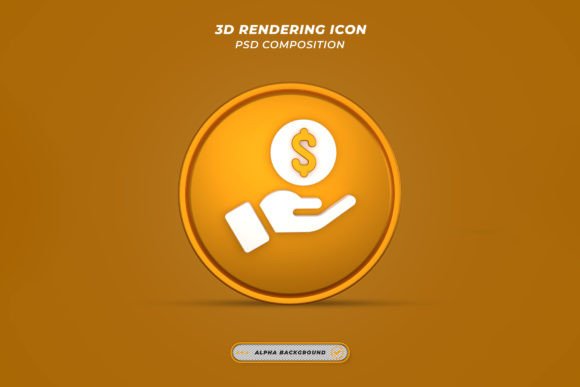
When dealing with topics such as Money or Business or Salary Concept Icon designs, the goal is to make intangible ideas feel tangible. Money is not just paper or digits on a screen; it represents security, ambition, and exchange. Business is not just a logo; it is a network of interactions. By utilizing high resolution render techniques, designers can create objects that possess weight, texture, and depth. This psychological effect helps viewers connect with the content on a deeper level.
Consider the difference between a simple yellow circle representing a coin and a High-Quality 3D Rendering Object that shows light reflecting off metallic edges, casting soft shadows, and exhibiting subtle surface imperfections. The latter feels real. It commands attention. In an era where user attention spans are short, these visual cues help stop the scroll and encourage users to engage with your message. This is particularly relevant in fintech apps, corporate presentations, and educational materials where trust and clarity are paramount.
Why Resolution and Detail Matter
One of the most critical aspects of professional design is quality. A pixelated image can undermine the credibility of even the most well-researched article. This is why professionals seek out assets with specific technical specifications. For instance, a Resolution 4500 x 3000 with 300 DPI ensures that the image remains crisp whether it is viewed on a high-density mobile screen or printed in a large-format brochure.
DPI, or dots per inch, is a measure of printing resolution. At 300 DPI, the standard for professional printing, every inch of the image contains 300 individual dots of color. This density allows for smooth gradients and sharp lines, eliminating the jagged edges often seen in lower-quality web graphics. When you use such high-fidelity assets, you signal to your audience that you care about quality and detail, which indirectly boosts their confidence in your business or advice.
Simplifying the Design Process for Everyone
Historically, creating custom 3D renders required expensive software, powerful hardware, and hours of specialized training. However, the democratization of design tools has changed this narrative. Modern templates are designed with the user in mind, prioritizing ease of use without sacrificing quality. The premise is simple: Very easy to use, All of our templates are made with the aim of making it easier for users, with just a few clicks.
This accessibility opens up professional-grade design to small business owners, bloggers, and marketers who may not have a dedicated graphic design team. By leveraging pre-made structures, users can focus on their core message rather than getting bogged down in technical rendering settings. This efficiency is crucial in fast-paced business environments where time-to-market is a competitive advantage.
The Magic of Smart Objects
For those using Adobe Photoshop or similar editing software, the concept of "Smart Objects" is a game-changer. In many premium template packs, Smart Object Replacement Layers are very Organized. This organizational structure is not just a nice-to-have feature; it is essential for workflow efficiency. An organized file structure means you spend less time hunting for layers and more time creating.
The process is remarkably straightforward. To customize an icon, you typically follow these steps:
- Open the PSD file: Ensure you have compatible software installed.
- Locate the Smart Object: These are usually clearly labeled in the layers panel.
- Double-click to edit: This opens the object in a new window.
- Make your changes: Adjust colors, swap textures, or modify shapes.
- Save and close: The main document updates automatically.
This method ensures that the original 3D lighting and shadow effects remain intact while allowing you to personalize the content. It is a non-destructive workflow, meaning you can always revert to the original state if you make a mistake. As noted in many product descriptions, it is 100 very easy to edit, just double-click on the smart object, edit, and save. This simplicity lowers the barrier to entry for high-quality visual production.
Customization and Brand Consistency
While pre-made icons are convenient, they must align with your brand identity. A generic blue coin might not fit a brand that uses green and gold. Fortunately, modern 3D assets are built for flexibility. All colors can be changed easily, allowing you to match your corporate palette precisely. This level of customization ensures that your visuals feel cohesive and intentional, rather than slapped together from disparate sources.
Brand consistency builds recognition. When users see a consistent style across your website, social media, and presentations, they begin to associate that aesthetic with your reliability and professionalism. Using editable 3D icons allows you to maintain this consistency without the cost of commissioning unique 3D models for every single project.
Understanding Usage Rights and Limitations
It is important for users to understand what they are purchasing. In many digital marketplaces, All images that are not included are examples for presentation purposes only. This means that while the 3D icon itself is yours to use, any background scenes, props, or contextual elements shown in the preview might not be part of the download. Always read the license agreement carefully to ensure you are using the assets within the permitted scope.
Typically, a download will include the source file (PSD) and a high-resolution JPEG. The PSD is for editing, while the JPG is for immediate use if no changes are needed. Having both formats provides flexibility for different use cases, from quick social media posts to detailed print layouts.
Broadening Your Visual Toolkit
Investing in a high-quality icon set is just the beginning. To truly elevate your content, consider how these icons fit into a broader visual strategy. Mix 3D elements with clean typography, ample white space, and complementary photography. The contrast between the tactile feel of 3D objects and the flatness of text can create a dynamic and engaging layout.
Furthermore, explore different themes. While money and business icons are popular, there are countless other categories available. From technology and education to health and lifestyle, 3D icons can clarify complex topics across various industries. If you find a style that resonates with your audience, stick with it. Consistency in style is just as important as consistency in color.
As you continue to develop your design skills, remember that tools are meant to serve your creativity, not limit it. Start with a solid foundation—a well-organized, high-resolution template—and build upon it. Experiment with angles, lighting, and compositions. The more you use these tools, the more intuitive they become.
If you found this overview helpful, consider exploring further resources. Thanks for Download And also see my other works. maybe you like it too. Many creators offer bundles or related styles that can expand your library and provide even more versatility for your projects. By continuously updating your visual assets, you keep your content fresh, relevant, and engaging for your audience.
In conclusion, the shift towards popular 3d rendering colorful 3d icons is not just a trend; it is a reflection of our desire for richer, more immersive digital experiences. By understanding the technical benefits of high resolution, the workflow advantages of smart objects, and the strategic importance of brand consistency, you can leverage these tools to communicate more effectively. Whether you are illustrating a salary concept or a global business strategy, the right 3D icon can turn a mundane explanation into a memorable visual story.