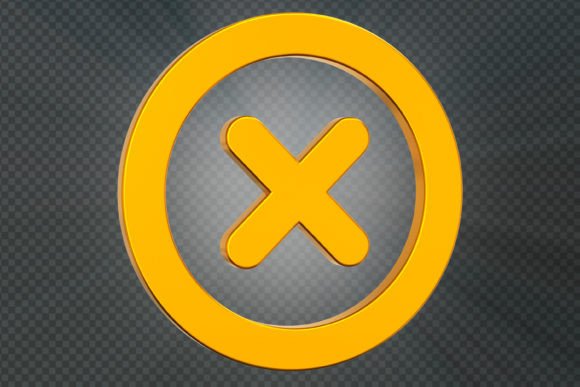
3D Rejected Sign & Cross Check Mark
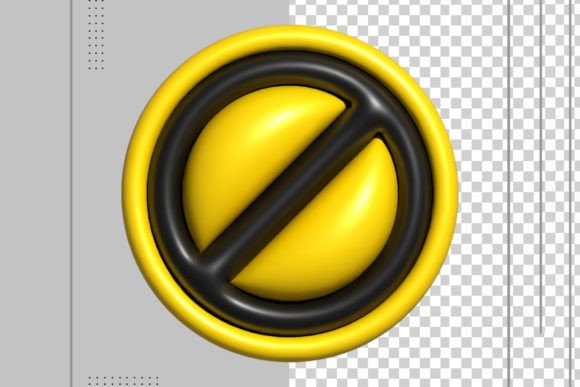
In the fast-paced world of digital communication, clarity is not just a preference; it is a necessity. Whether you are designing a user interface, preparing a corporate presentation, or creating educational materials, the symbols you choose carry significant weight. A simple icon can determine whether a message is understood instantly or leads to confusion. This is where high-quality visual assets like a Rejected Sign or Cross Check Mark 3d become indispensable tools for modern creators. Unlike flat, two-dimensional graphics that can sometimes blend into the background, three-dimensional renders offer depth, realism, and immediate visual hierarchy.
The concept of using a cross sign as a symbol of wrong, error, or rejection is universal. However, the execution matters. A poorly rendered icon can make a professional project look amateurish. Conversely, a meticulously crafted 3D object enhances credibility and engages the viewer. By integrating a high-resolution 3D rejected sign into your workflow, you elevate the perceived quality of your work while ensuring your intent is communicated without ambiguity.
Enhancing Visual Communication with Depth
One of the primary advantages of using a 3D rejected sign Cross Check mark is the immediate attention it commands. Human eyes are naturally drawn to objects with depth and shadow. When you place a 3D cross mark next to an incorrect option in a tutorial or highlight a denied transaction in a fintech app mockup, it stands out against flat backgrounds. This visual distinction reduces cognitive load for the viewer, allowing them to process information faster.
Consider a marketer creating a comparison chart for a product launch. Using standard flat icons might result in a cluttered appearance. However, incorporating a 3D cross check mark adds a layer of sophistication. It signals to the audience that the content is premium and well-thought-out. The tactile quality of 3D rendering makes the feedback feel more concrete, whether it is indicating a mistake in an educational quiz or signaling a blocked action in a software interface.
Streamlining Your Design Workflow
For professionals, time is often the most scarce resource. Creating realistic 3D models from scratch requires specialized skills in modeling software, lighting setup, and rendering engines. This process can take hours or even days for a single asset. This is why templates designed for ease of use are so valuable. A high-quality template for a Rejected Sign or Cross Check Mark 3d eliminates the technical barrier, allowing designers to focus on composition and messaging rather than polygon counts and ray-tracing settings.
The utility of such templates lies in their organization. When layers are logically structured, editing becomes intuitive. For instance, if you need to change the color of the cross to match your brand guidelines, a well-organized file allows you to do this with minimal effort. Instead of navigating complex node graphs or adjusting material properties manually, you can often achieve the desired look through simple adjustments. This efficiency is crucial for freelancers and small business owners who need to deliver high-quality results under tight deadlines.
Technical Quality Matters for Professional Output
Not all digital assets are created equal. When selecting a 3D icon for professional use, resolution and flexibility are key factors. A template offering high-quality 3D rendering with an object resolution of 4500 x 3000 pixels at 300 DPI ensures that your images remain crisp across various mediums. Whether you are printing a large-format poster or displaying the image on a high-density retina screen, this level of detail prevents pixelation and blurriness.
Furthermore, the inclusion of Smart Object Replacement Layers significantly enhances usability. This feature allows users to double-click on the smart object, edit the underlying design, and save it to see instant updates in the main composition. This non-destructive editing workflow is essential for experimentation. You can test different colors, textures, or even swap the cross mark for a different symbol if needed, without compromising the original file integrity. Such flexibility ensures that the asset remains useful across multiple projects and clients.
Practical Applications Across Industries
The versatility of a 3D rejected sign Cross Check mark extends far beyond graphic design. Educators can use these visuals to create engaging e-learning modules, where clear indicators of correct and incorrect answers help students learn effectively. In the corporate sector, these icons are perfect for internal reports, highlighting areas that need improvement or marking tasks that have been declined.
Web developers and UI/UX designers also benefit greatly. While final implementation may involve code-based icons, having high-fidelity 3D renders for prototypes and presentations helps stakeholders visualize the final product more accurately. It bridges the gap between abstract wireframes and the polished end-user experience. Additionally, bloggers and content creators can use these images to break up text, making articles more scannable and visually appealing.
Customization and Brand Consistency
Maintaining brand consistency is vital for recognition and trust. A generic red cross might not align with every brand’s aesthetic. Some brands prefer soft pastels, while others opt for bold, dark themes. A customizable 3D template allows you to adjust all colors easily, ensuring that the rejected sign fits seamlessly into your existing visual identity. This level of control means you are not forced to compromise your design standards for the sake of convenience.
It is important to note that while the template provides the structure and rendering quality, the surrounding context is up to the user. Images used for presentation purposes in previews are examples only, encouraging users to imagine their own content within the framework. This approach fosters creativity, allowing you to adapt the asset to unique scenarios rather than being locked into a pre-defined look.
Making the Right Choice for Your Project
When deciding whether to invest time in custom 3D modeling or utilize a pre-made template, consider the scope of your project. For one-off tasks or tight deadlines, a high-quality template is the logical choice. It provides immediate access to professional-grade assets without the learning curve of 3D software. However, always ensure the file format suits your needs. Having both PSD and JPG files included offers flexibility; the PSD allows for deep editing, while the JPG is ready for quick insertion into documents or web platforms.
Ultimately, the goal is to communicate effectively. A Rejected Sign or Cross Check Mark 3d is more than just an image; it is a tool for clarity. By choosing assets that are easy to use, high in resolution, and flexible in design, you empower yourself to create better content faster. Whether you are correcting a mistake, denying a request, or simply organizing information, the right visual aid makes all the difference.
As you explore resources for your creative toolkit, remember that quality compounds over time. Investing in well-structured, high-resolution assets saves hours of revision later. Take advantage of organized layers and smart objects to streamline your process. And while you are enhancing your current project, consider exploring other works that complement this style. Consistency in your visual language strengthens your brand and keeps your audience engaged. Thanks for downloading, and may these tools help you achieve your creative goals with greater ease and precision.