Evaluating the Blood Drop with Medical Cross Symbol Design Template
In the realm of digital graphic design, particularly within the healthcare and medical sectors, visual clarity and professional presentation are paramount. One specific asset that has garnered attention among designers is the Blood Drop with Medical Cross Symbol. This resource is not merely a static image but a sophisticated design template intended to streamline the creation of medical-themed visuals. For professionals tasked with creating brochures, website headers, or educational materials, understanding the technical specifications and practical utility of this template is essential for making an informed decision about its inclusion in their workflow.
Understanding the Asset and Its Core Utility
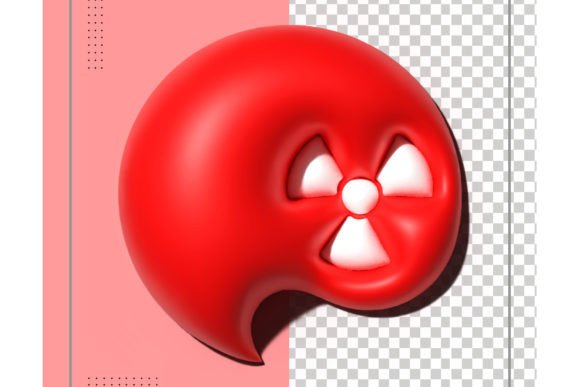
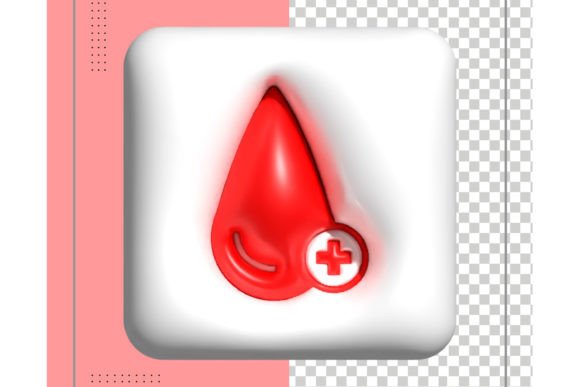
The Blood Drop with Medical Cross Symbol serves as a foundational element for projects requiring immediate recognition of medical services, blood donation drives, or health awareness campaigns. At its core, this template provides a high-fidelity 3D rendering of a blood drop integrated with the universal medical cross. The primary value proposition lies in its ease of use and adaptability. Unlike flat vector icons that may lack depth, this asset offers a three-dimensional perspective that can add a modern, polished look to digital and print media.
Designers often seek resources that reduce production time without compromising quality. This template addresses that need by offering a "very easy to use" structure. The underlying philosophy behind its creation is to simplify the user experience, allowing individuals with varying levels of expertise to achieve professional results with just a few clicks. This accessibility is crucial in fast-paced environments where turnaround times are tight, and the margin for error is slim.
Technical Specifications and Quality Considerations
When evaluating any digital asset, resolution and file format are critical factors. This template boasts a high-quality 3D rendering with an object resolution of 4500 x 3000 pixels at 300 DPI (dots per inch). This specification is significant because it ensures versatility across different media types. A resolution of 300 DPI is the standard requirement for high-quality print materials, such as flyers, posters, and business cards. Simultaneously, the high pixel dimensions allow for scaling down for web use without losing sharpness, ensuring the image remains crisp on high-density displays.
The file structure includes both PSD (Photoshop Document) and JPG formats. The inclusion of the PSD file is particularly important for customization. It features smart object replacement layers that are very organized. This organization is not merely a convenience but a functional necessity for efficient editing. Users can navigate the layer panel with ease, identifying which elements can be modified and which serve as structural components of the design.
Customization and Workflow Efficiency
One of the standout features of the Blood Drop with Medical Cross Symbol template is its editability. The claim that it is "100% very easy to edit" is supported by the use of smart objects. In Adobe Photoshop, smart objects allow users to replace content non-destructively. By simply double-clicking on the smart object layer, users can insert their own images or adjust existing ones, save the changes, and see them reflect immediately in the main composition. This workflow eliminates the need for complex masking or manual blending, which can be time-consuming and prone to errors.
Furthermore, all colors within the template can be changed easily. This flexibility is vital for brand consistency. Healthcare organizations often have specific color palettes associated with their branding. The ability to adjust the hue, saturation, and brightness of the blood drop and the cross ensures that the final output aligns seamlessly with corporate identity guidelines. However, it is important to note that while the template itself is customizable, all images that are not part of the core design are examples for presentation purposes only. Users must source their own additional imagery if they wish to expand the composition beyond the provided elements.
Situations Where This Template Is a Strong Fit
This asset is particularly well-suited for several specific scenarios. First, it is ideal for blood donation campaigns. The literal representation of a blood drop combined with the medical cross creates an instant semantic link for viewers, enhancing communication efficiency. Second, it is beneficial for medical clinics and hospitals looking to update their digital presence with modern, 3D-style graphics that stand out from traditional flat designs. Third, educational institutions teaching health sciences may find this useful for creating engaging presentation slides or course materials that require high-quality visual aids.
For freelance designers who manage multiple clients in the healthcare sector, having a reliable, high-resolution template like this can significantly reduce project overhead. Instead of building a 3D render from scratch—a process that requires specialized software and significant time—designers can leverage this pre-made asset to deliver high-quality work quickly.
Tradeoffs and When to Consider Alternatives
While the Blood Drop with Medical Cross Symbol offers numerous advantages, it is not a one-size-fits-all solution. Designers who prefer minimalist, flat-design aesthetics may find the 3D rendering too detailed or heavy for their specific project requirements. In cases where a clean, vector-based icon is needed for scalable UI elements or small favicon usage, a SVG (Scalable Vector Graphics) alternative might be more appropriate than a raster-based PSD file.
Additionally, users who do not have access to Adobe Photoshop will find the PSD file unusable. While the included JPG file offers a static version, it lacks the customization capabilities that define the template's value. Therefore, this tool is best suited for those already embedded in the Adobe Creative Cloud ecosystem. For teams using other design software such as Illustrator, Figma, or Canva, the compatibility issues may outweigh the benefits unless they have a workflow to convert or import PSD files effectively.
Making an Informed Decision
Choosing the right design asset involves balancing quality, ease of use, and compatibility. The Blood Drop with Medical Cross Symbol excels in providing high-resolution, customizable 3D graphics for users familiar with Photoshop. Its organized layer structure and smart object functionality make it a practical choice for professionals seeking efficiency. However, potential users should assess their specific design needs regarding style (3D vs. flat) and software compatibility before downloading.
For those who decide this template aligns with their goals, it represents a valuable addition to their resource library. It simplifies the creation of professional medical graphics, allowing designers to focus more on strategy and layout rather than technical execution. As with any creative tool, its effectiveness depends on how well it integrates into the broader design context. Users are encouraged to explore other works by the creator to find complementary assets that may further enhance their design projects, ensuring a cohesive visual language across all their materials.
Ultimately, the decision to utilize this template should be driven by the specific requirements of the project at hand. If high-quality 3D visualization and easy color customization are priorities, this asset offers a robust solution. By understanding its capabilities and limitations, designers can make strategic choices that enhance their productivity and the visual impact of their medical-themed communications.