Elevating Digital Presence with a 3D Render Location Icon
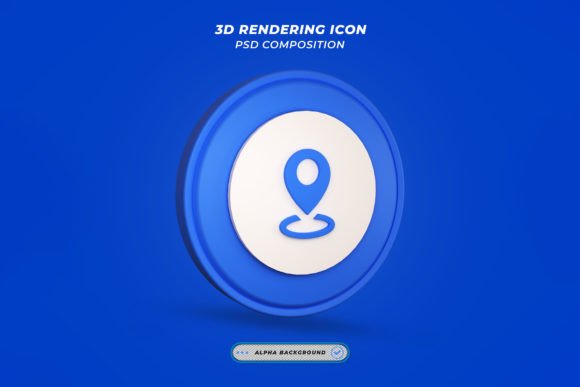
In the rapidly evolving landscape of digital design, the difference between a forgettable graphic and a compelling visual asset often lies in depth, texture, and realism. As businesses and creators strive to capture attention in saturated online markets, the demand for high-quality, three-dimensional elements has surged. Among these assets, the 3d Render Location Icon stands out as a versatile tool for modern communication. Whether used in mobile applications, website headers, or printed marketing materials, this icon serves as a universal symbol for navigation, presence, and connectivity. However, not all icons are created equal. The shift toward premium, editable templates reflects a broader change in how professionals approach their workflows, prioritizing efficiency without sacrificing aesthetic quality.
The Shift Toward High-Fidelity Visual Assets
For years, flat design dominated the digital space, offering clean lines and minimalism. While effective for certain interfaces, flat design can sometimes lack the tactile appeal that draws users in. Today, we are witnessing a resurgence of dimensionality, driven by advancements in rendering technology and user expectations for more immersive experiences. A 3d Render Location Icon bridges the gap between functional clarity and artistic sophistication. It provides the immediate recognizability of a standard map pin while adding a layer of polish that suggests professionalism and attention to detail.
This trend is not merely aesthetic; it is practical. High-resolution visuals build trust. When a brand uses crisp, well-lit, and realistically textured icons, it subconsciously signals quality to the consumer. In an era where first impressions are formed in milliseconds, the visual weight of a 3D element can anchor a design, making it feel more substantial and credible. This is particularly relevant for location-based services, real estate platforms, travel blogs, and logistics companies, where the concept of "place" is central to the user experience.
Efficiency Meets Quality in Modern Workflows
One of the most significant barriers to adopting high-end 3D assets has traditionally been the complexity of creation. Rendering realistic objects requires specialized software, powerful hardware, and considerable time. For many marketers, freelancers, and small business owners, this process is prohibitive. This is where the value of pre-made, highly optimized templates becomes apparent. The modern creator needs tools that are not only beautiful but also incredibly easy to use.
Templates designed with user convenience in mind transform the workflow. Instead of starting from scratch, users can leverage assets that are ready for immediate deployment. The key feature here is accessibility. A template that allows for very easy editing ensures that even those with limited technical expertise can achieve professional results. By simplifying the process to just a few clicks, these resources democratize high-quality design, allowing entrepreneurs and bloggers to compete visually with larger enterprises that have dedicated design teams.
Technical Precision: Resolution and Clarity
When selecting digital assets, technical specifications are paramount. A blurry or pixelated icon can undermine the entire design of a project. Premium templates address this by offering High-Quality 3D Rendering with exceptional resolution. For instance, a file with a resolution of 4500 x 3000 pixels at 300 DPI (dots per inch) provides immense flexibility. This level of detail ensures that the image remains sharp whether it is displayed on a high-density retina screen or printed on large-format marketing collateral.
The 300 DPI standard is crucial for print media. Many designers overlook this, resulting in images that look great on screen but appear jagged when printed. By providing assets at this industry-standard resolution, creators ensure their work is versatile across all mediums. Whether you are designing a business card, a brochure, or a billboard, the integrity of the 3d Render Location Icon is maintained, preserving the professional look of the final product.
The Power of Smart Object Replacement
Perhaps the most transformative feature of modern design templates is the use of Smart Object Replacement Layers. This technology streamlines the customization process, making it intuitive and non-destructive. In traditional workflows, changing the color or texture of a 3D object might require complex masking, lighting adjustments, and re-rendering. With smart objects, the process is simplified to a few straightforward steps.
Users can simply double-click on the smart object, make their edits in a separate window, and save. The changes automatically update across the entire composition. This functionality is invaluable for maintaining consistency across multiple projects. For example, a marketing agency working with several clients can quickly adapt the same base template to match different brand guidelines. All colors can be changed easily, allowing for seamless integration into any visual identity. This level of organization within the file structure saves hours of manual adjustment, freeing up creators to focus on strategy and content rather than tedious technical tweaks.
Versatility Across Industries
The utility of a well-designed location icon extends far beyond map applications. Its symbolic nature makes it adaptable to various contexts:
- Real Estate: Highlighting property locations on listings with a premium, trustworthy aesthetic.
- Travel and Hospitality: Enhancing blog posts and brochures with visually appealing markers that evoke exploration.
- Logistics and Delivery: Communicating speed and precision in tracking interfaces and promotional materials.
- Event Planning: Marking venues on invitations and websites with a touch of elegance.
By using a template that includes both PSD and JPG files, users gain maximum flexibility. The PSD file allows for deep customization and future edits, while the high-resolution JPG offers a quick solution for immediate use. This dual-format approach caters to both designers who want full control and non-designers who need a plug-and-play solution.
Sustainable Design Practices
Adopting reusable, high-quality templates also aligns with sustainable design practices. Instead of creating new assets for every single project, which consumes time and computational resources, creators can build a library of versatile elements. This reduces waste and promotes efficiency. Furthermore, by using organized files with clear layer structures, designers ensure that their work remains accessible and editable for years to come, avoiding the frustration of dealing with messy, unstructured source files.
It is important to note that while the template provides the framework, the final output depends on the user's creativity. All images that are not included are examples for presentation purposes only, reminding users that the potential of the asset is limited only by their imagination. The template serves as a foundation, a starting point that accelerates the creative process without dictating the final outcome.
Final Thoughts on Enhancing Your Visual Toolkit
Incorporating a 3d Render Location Icon into your design repertoire is a small change that can yield significant improvements in perceived quality and user engagement. As digital standards continue to rise, the expectation for polished, professional visuals will only grow. By leveraging tools that are very easy to use and technically robust, you position yourself to meet these demands efficiently.
The combination of high resolution, smart object functionality, and organizational clarity makes these templates an essential resource for anyone serious about their visual communication. Whether you are a seasoned designer looking to speed up your workflow or a business owner aiming to elevate your brand’s appearance, these assets offer a practical solution. Thanks for Download and taking the step toward more impactful design. As you explore these possibilities, consider exploring other works in the collection. You may find additional assets that complement your style and further enhance your creative projects. The goal is always to make design easier, more accessible, and more effective for everyone involved.