Search Icon in 3D Rendering: Elevating Digital Assets with High-Resolution Precision
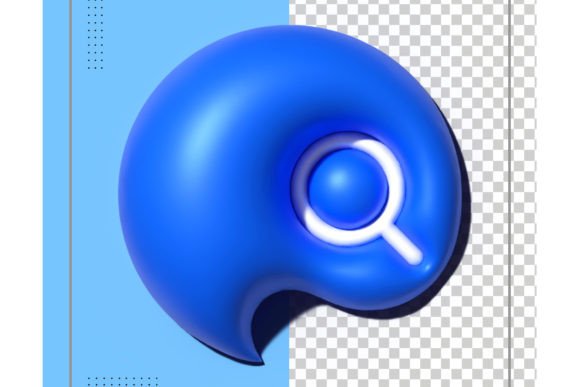
In the fast-paced world of digital design, the difference between a good visual and a great one often lies in the details. A Search Icon in 3d Rendering is no longer just a functional UI element; it has evolved into a standalone asset that can define the aesthetic of an entire project. Whether you are building a sleek mobile app interface, designing a high-end e-commerce platform, or creating marketing materials for a tech startup, the quality of your icons speaks volumes about your brand’s professionalism. This article explores how integrating high-quality, pre-rendered 3D search icons can streamline your workflow while delivering stunning visual results.
Why 3D Icons Are Taking Over Flat Design
For years, flat design dominated the digital landscape due to its simplicity and load-speed advantages. However, as screen resolutions have skyrocketed and user expectations for immersive experiences have grown, designers are returning to depth, texture, and lighting. A Search Icon in 3d Rendering offers a tactile quality that flat vectors simply cannot match. It catches the light, casts subtle shadows, and provides a sense of weight and presence on the screen.
This shift is not merely aesthetic; it is psychological. Three-dimensional objects feel more "real" and clickable to users. When a user sees a beautifully rendered magnifying glass with realistic glass refraction and metallic accents, it invites interaction. For designers, this means higher engagement rates and a more polished final product. The key, however, is consistency and quality. Poorly rendered 3D assets can look cheap or distracting, which is why starting with a high-quality base template is crucial.
The Practical Advantage of Smart Object Templates
One of the biggest hurdles in adopting 3D elements is the technical barrier. Traditional 3D modeling requires specialized software like Blender, Cinema 4D, or Maya, along with hours of rendering time. This is where pre-made templates change the game. By utilizing a template specifically designed for ease of use, you bypass the complex modeling phase entirely.
Consider the workflow of a typical graphic designer working under a tight deadline. Instead of spending six hours modeling a search icon from scratch, they can download a high-resolution PSD file. The magic lies in the Smart Object Replacement Layers. These layers are meticulously organized, allowing you to double-click, edit the surface texture or color, save, and watch the changes reflect instantly on the 3D model. This process turns a day-long task into a five-minute adjustment. It empowers designers who may not be 3D experts to produce professional-grade renders without the steep learning curve.
Real-World Applications Across Industries
The versatility of a Search Icon in 3d Rendering extends far beyond simple website headers. Let’s look at how different sectors can leverage these assets:
- E-Commerce and Retail: Online stores rely heavily on search functionality. A prominent, stylish 3D search icon can serve as a focal point in promotional banners, highlighting new product discovery features. The high resolution ensures that even when zoomed in on large 4K monitors, the edges remain crisp and clean.
- Tech Startups and SaaS Platforms: For software companies, branding is everything. Using a customizable 3D icon allows teams to match their brand colors perfectly. If your brand uses a specific shade of neon blue, you can adjust the smart object to reflect that exact hex code, ensuring brand consistency across all marketing materials.
- Mobile App Development: App store screenshots need to pop. A 3D search icon rendered at 4500 x 3000 pixels with 300 DPI provides more than enough resolution to create stunning mockups. You can place the icon in various contexts within your app interface previews, giving potential users a taste of the premium experience they can expect.
- Presentation Decks: Consultants and marketers often need to visualize data or features in pitch decks. A high-quality 3D icon adds a layer of sophistication to PowerPoint or Keynote slides, making the presentation feel more expensive and well-thought-out.
Technical Specifications That Matter
When selecting a 3D asset, technical specifications are not just numbers; they are guarantees of quality. A resolution of 4500 x 3000 pixels is significant because it allows for extreme flexibility. You can scale the image down for a mobile thumbnail or use it at full size for a billboard-sized print advertisement without losing clarity. The 300 DPI (dots per inch) standard ensures that if you decide to use the icon in any physical print media, such as brochures or business cards, it will appear sharp and professional, not pixelated or blurry.
Furthermore, the inclusion of both PSD and JPG files covers all bases. The JPG is perfect for quick drag-and-drop usage in web designs or social media posts where editing is not required. The PSD file, with its organized layers, is the powerhouse for customization. Knowing that the file structure is clean and logical saves mental energy. You don’t have to hunt for the right layer; the organization is intuitive, letting you focus on creativity rather than file management.
Customization and Creative Freedom
A common misconception about using templates is that they limit creativity. In reality, a well-built template expands it. With 100 very easy to edit parameters, you are not stuck with a single look. All colors can be changed easily, meaning one template can generate dozens of unique variations. You can create a dark mode version, a pastel-themed version, or a high-contrast version for accessibility testing, all from the same source file.
It is important to note that all images that are not included are examples for presentation purposes only. This transparency is vital. It means the background environments or complementary objects shown in preview images are there to inspire you, not to restrict you. You are free to place your rendered search icon onto any background, composite it with other elements, or use it as a standalone hero image. This freedom ensures that the final output aligns perfectly with your specific project requirements.
Making the Right Choice for Your Workflow
Before integrating these assets into your projects, consider your end goal. If you need a quick solution for a client presentation tomorrow, the speed of smart object editing is your greatest ally. If you are building a long-term design system, the ability to maintain consistent lighting and perspective across multiple icons is invaluable. Using a single rendering style for all your UI icons creates a cohesive visual language that users recognize and trust.
Also, think about the platform. While web performance is critical, modern compression techniques allow for high-quality images to load quickly. The visual impact of a 3D element often outweighs the negligible increase in file size, especially on landing pages where conversion is the primary goal. A Search Icon in 3d Rendering can be the subtle cue that makes a user feel the quality of your service before they even type a query.
Ultimately, tools and templates are meant to serve the creator. By choosing resources that prioritize ease of use and high fidelity, you reclaim time that can be spent on strategy, user experience, and innovation. Thanks for Download And also see my other works. maybe you like it too. Exploring a diverse portfolio of 3D assets can provide you with a toolkit that adapts to any creative challenge, ensuring you always have the right visual element at your fingertips.