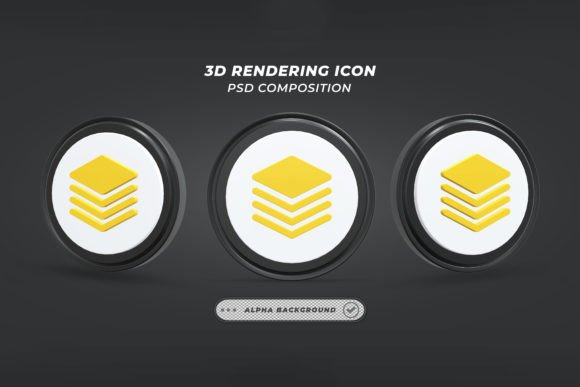
Mastering Layer Icons in 3D Rendering
In the fast-paced world of digital design, clarity and efficiency are not just preferences; they are necessities. Whether you are a seasoned graphic designer, a marketing entrepreneur, or a hobbyist exploring the depths of visual storytelling, the tools you choose define your workflow. This is where the concept of a Layer Icon in 3d Rendering becomes pivotal. It serves as more than just a graphical element; it is a bridge between complex three-dimensional data and user-friendly interaction. By integrating high-quality, pre-rendered assets into your projects, you streamline the creative process, allowing you to focus on innovation rather than tedious technical setup.
The Power of Pre-Rendered Assets
Creating 3D environments from scratch requires significant time, computational power, and expertise. A well-crafted Layer Icon in 3d rendering eliminates these barriers. These assets are designed with the explicit aim of making life easier for users. With just a few clicks, you can incorporate professional-grade visuals into your presentations, websites, or print materials. The value lies in the immediacy. Instead of spending hours modeling, lighting, and rendering a simple icon, you leverage a resource that has already been optimized for visual impact and technical performance.
Consider the resolution. High-quality 3D rendering object resolution at 4500 x 3000 pixels with 300 DPI ensures that your graphics remain crisp and detailed, whether they are viewed on a high-density mobile screen or printed in a large-format brochure. This level of detail is crucial for maintaining professionalism. Blurry or pixelated icons can undermine the credibility of your brand, whereas sharp, well-lit 3D elements convey a sense of polish and attention to detail.
Smart Objects and Workflow Efficiency
One of the most compelling features of modern design templates is the use of Smart Object Replacement Layers. For those unfamiliar, this technology allows for non-destructive editing. When you download a file that includes PSD and JPG formats, you are getting a structure that is very organized and intuitive. The claim that these files are "100% very easy to edit" is not an exaggeration if the architecture is sound. You simply double-click on the smart object, make your edits in a separate window, save, and the changes reflect instantly in the main composition.
This functionality is a game-changer for professionals who need to iterate quickly. Imagine you are working on a branding package for a client. They want to see their logo applied to various 3D surfaces. With traditional methods, you might need to re-render each variation. With smart objects, you swap the texture or image within the layer, and the lighting, shadows, and perspective adjustments happen automatically. This drastically reduces turnaround time and enhances productivity.
Customization and Color Flexibility
Another critical aspect of usability is color adaptability. All colors in these templates can be changed easily, ensuring that the asset aligns perfectly with your brand guidelines. This flexibility is essential for marketers and business owners who need to maintain consistent visual identity across different platforms. Whether you need a sleek monochrome look for a corporate report or vibrant hues for a social media campaign, the ability to tweak hues, saturation, and brightness without affecting the underlying 3D structure is invaluable.
It is important to note that all images that are not included are examples for presentation purposes only. This transparency helps users understand exactly what they are purchasing and sets realistic expectations. You are buying the framework and the rendering quality, not necessarily the specific placeholder content shown in previews. This distinction is vital for avoiding confusion and ensuring satisfaction with the final product.
Practical Applications Across Industries
The versatility of a Layer Icon in 3d Rendering extends far beyond simple graphic design. Let’s explore how different professionals can leverage these assets:
- Marketers and Advertisers: Use high-resolution 3D icons to create eye-catching social media posts, email headers, and digital ads. The depth and realism of 3D elements often result in higher engagement rates compared to flat 2D graphics.
- Web Developers and UI/UX Designers: Incorporate these icons into website interfaces to guide user navigation. A well-placed 3D icon can serve as an intuitive button or indicator, enhancing the overall user experience.
- Educators and Presenters: Enhance lectures and corporate presentations with visually appealing graphics. Complex concepts can be simplified and made more memorable when accompanied by high-quality 3D visuals.
- Freelancers and Agencies: Speed up client deliverables by using pre-made templates as a starting point. This allows you to take on more projects without compromising on quality.
Selecting the Right Template
When evaluating a Layer Icon in 3d rendering template, consider the organization of the layers. A messy file structure can negate the benefits of smart objects. Look for files where layers are clearly named and grouped logically. This organization saves time during the editing process and reduces the likelihood of errors. Additionally, check the compatibility of the PSD file with your version of Photoshop to ensure smooth operation.
Also, pay attention to the lighting setup in the preview images. Good 3D rendering relies heavily on lighting to create depth and mood. Ensure that the template offers a lighting scheme that complements your intended use case. If the default lighting is too dramatic for your needs, verify that it can be adjusted or that the smart object allows for neutral integration of your own assets.
Final Thoughts on Digital Asset Utilization
In conclusion, integrating a Layer Icon in 3d rendering into your design toolkit is a strategic move towards greater efficiency and higher quality output. The combination of high resolution, smart object functionality, and ease of customization makes these templates indispensable for modern creators. By reducing the technical burden of 3D creation, you free up mental space for creative problem-solving and strategic thinking.
Thanks for downloading and exploring these resources. As you continue to refine your craft, remember that the right tools can significantly amplify your impact. And also see my other works. Maybe you like it too. Exploring a diverse range of templates can provide fresh inspiration and new solutions for your upcoming projects. Keep experimenting, keep creating, and let these high-quality assets elevate your visual communication to new heights.