Evaluating the 3D Render Quotation Mark Icon for Professional Design Workflows
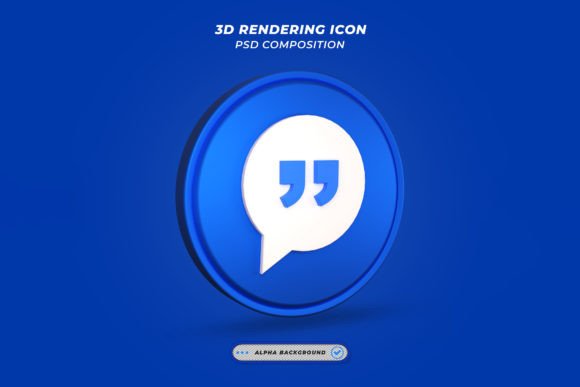
In the evolving landscape of digital graphic design, the demand for high-quality, ready-to-use assets has never been higher. Among these resources, the 3d Render Quotation Mark Icon has emerged as a valuable tool for designers seeking to add depth and modern aesthetics to their projects without starting from scratch. This asset is not merely a static image; it is a carefully constructed template designed to streamline the creative process while maintaining professional standards. Understanding the specific features, benefits, and limitations of this resource is essential for designers who wish to integrate it effectively into their workflow.
Understanding the Asset Structure and Quality
The core value of any digital design asset lies in its technical specifications and ease of use. The 3d Render Quotation Mark Icon is engineered with user convenience as a primary objective. It is delivered in a format that balances high visual fidelity with practical editability. Specifically, the file includes both PSD (Photoshop Document) and JPG formats, ensuring compatibility with a wide range of software and usage scenarios. The inclusion of the PSD file is particularly significant, as it allows for non-destructive editing, which is crucial for professional workflows where revisions are common.
One of the standout features of this template is its resolution. With dimensions of 4500 x 3000 pixels at 300 DPI, the render provides sufficient detail for high-quality print materials as well as crisp digital displays. This level of clarity ensures that the quotation marks remain sharp and defined, regardless of the scale at which they are used. For designers working on large-format prints or high-resolution web banners, this specification eliminates the risk of pixelation, a common issue with lower-quality stock assets.
The Advantage of Smart Object Integration
Efficiency is a critical factor in modern design projects. The 3d Render Quotation Mark Icon addresses this need through the implementation of organized Smart Object replacement layers. This feature transforms the asset from a static image into a dynamic template. Users can edit the design by simply double-clicking on the smart object layer, making their desired changes, and saving the file. This process updates the main composition automatically, preserving all lighting, shadows, and perspective effects.
This functionality is particularly beneficial for users who may not possess advanced 3D modeling skills. By abstracting the complex rendering process into simple layer adjustments, the template makes high-end 3D aesthetics accessible to a broader audience. The layers are meticulously organized, reducing the time spent searching for specific elements and allowing designers to focus on creativity rather than technical troubleshooting. Furthermore, the ability to change all colors easily means that the icon can be adapted to match various brand identities or project themes without requiring extensive manual recoloring.
Practical Applications and Use Cases
Determining whether the 3d Render Quotation Mark Icon is the right choice depends largely on the specific requirements of your project. This asset is ideally suited for contexts where visual impact and professionalism are paramount. Common applications include:
- Social Media Graphics: Enhancing quote posts on platforms like Instagram or LinkedIn with a three-dimensional look that stands out in crowded feeds.
- Presentation Decks: Adding visual interest to slide designs, particularly when highlighting testimonials or key statements.
- Marketing Materials: Incorporating stylish quotation marks into brochures, flyers, or digital ads to draw attention to customer reviews or endorsements.
- Web Design: Using high-resolution renders for hero sections or featured content areas where unique typography elements are desired.
In these scenarios, the pre-rendered nature of the asset saves significant time compared to creating a 3D model from scratch. It allows designers to maintain a consistent visual style across multiple projects while minimizing production costs.
Considerations and Limitations
While the 3d Render Quotation Mark Icon offers numerous advantages, it is important to approach its use with a clear understanding of its limitations. First, although the template is highly editable, it is still bound by the initial 3D composition. Users cannot fundamentally alter the shape or geometry of the quotation marks beyond what the smart object allows. If a project requires a completely custom 3D form, building a model from the ground up may be necessary.
Additionally, it is crucial to note that all images used in promotional previews are examples for presentation purposes only. This means that any additional elements seen in marketing materials, such as background textures or complementary graphics, are not included in the download. Designers must plan to create or source their own backgrounds and supporting elements to integrate the quotation mark icon seamlessly into their final designs.
Another consideration is software compatibility. While PSD files are widely supported, full functionality of the smart objects requires Adobe Photoshop. Users relying on alternative software may find their editing capabilities limited to basic color adjustments or may need to convert the file, potentially losing the smart object functionality.
Making an Informed Decision
When evaluating whether to incorporate the 3d Render Quotation Mark Icon into your design toolkit, consider your current workload and skill set. If you frequently require high-quality typographic elements and want to avoid the steep learning curve associated with 3D software, this template offers a compelling solution. The combination of high resolution, organized layers, and easy editability makes it a strong fit for agencies and freelancers looking to optimize their production time.
However, if your projects demand unique, bespoke 3D geometries that deviate significantly from standard quotation mark shapes, or if you do not have access to Adobe Photoshop, you may need to explore alternative resources. In such cases, vector-based icons or customizable 3D model files might provide the flexibility you require.
Ultimately, the decision should align with your specific goals. For those seeking a balance between quality and efficiency, the 3d Render Quotation Mark Icon serves as a robust resource. It simplifies the integration of 3D elements into flat design projects, offering a polished look with minimal effort. By leveraging tools like this, designers can enhance their output quality while maintaining tight deadlines, ensuring that their work remains competitive in a visually driven market.
For designers interested in expanding their library of similar assets, exploring related works can provide additional options for maintaining visual consistency across different projects. Many creators offer cohesive sets of 3D icons and elements, which can be invaluable for building a unified brand aesthetic. Taking the time to review these complementary resources can further streamline your design process and open up new creative possibilities.