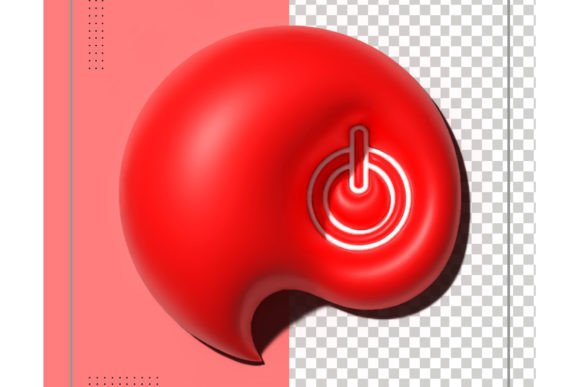
Streamlining Visual Design with a High-Resolution Power Icon in 3D Rendering
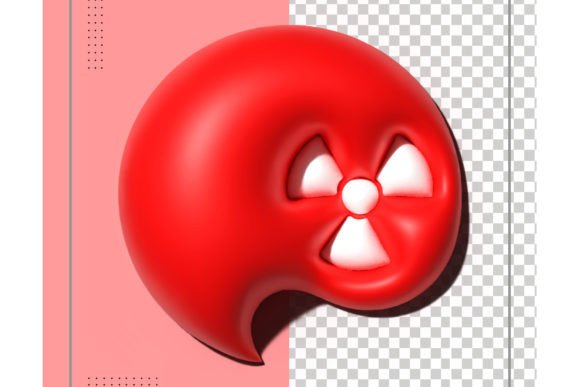
In the fast-paced world of digital design, efficiency often determines the difference between meeting a deadline and missing an opportunity. For graphic designers, UI/UX specialists, and marketing professionals, finding high-quality assets that require minimal setup is invaluable. This is where a specialized Power or on off Icon in 3d Rendering becomes more than just a decorative element; it serves as a functional tool for enhancing visual communication. Whether you are designing a tech product interface, creating promotional material for electronics, or building a brand identity centered on innovation, the quality of your assets directly impacts the perceived value of your work.
The specific asset we are examining here offers a blend of aesthetic appeal and technical practicality. It is designed to bridge the gap between complex 3D modeling and accessible graphic design, allowing creators to integrate sophisticated visuals without needing advanced rendering software skills. By understanding the features and applications of this resource, professionals can make informed decisions about incorporating it into their workflow.
The Value of High-Quality 3D Assets in Modern Design
Three-dimensional graphics have transitioned from niche artistic expressions to standard elements in commercial design. They add depth, realism, and tactile quality to flat screens and printed materials. However, creating custom 3D renders from scratch is time-consuming and requires specialized hardware and software knowledge. A pre-rendered Power or on off Icon in 3d Rendering solves this bottleneck by providing a ready-to-use solution that maintains professional standards.
The primary advantage of using such templates lies in their resolution and clarity. With an object resolution of 4500 x 3000 pixels at 300 DPI, this asset ensures crisp details whether viewed on a high-density mobile display or printed in large-format brochures. Low-resolution icons often appear pixelated or blurry when scaled, which can undermine the professionalism of a project. High-DPI files eliminate this risk, offering flexibility across various media types without compromising visual integrity.
Usability and Workflow Efficiency
One of the most significant barriers to adopting 3D assets is the complexity of editing them. Many designers hesitate to use pre-made 3D objects because they fear being locked into specific colors, angles, or lighting conditions. This template addresses those concerns through its organized file structure and smart object functionality.
The inclusion of Smart Object Replacement Layers transforms the editing process. Instead of navigating complex 3D software interfaces, users can simply double-click the smart object layer in Photoshop, make their adjustments, and save. The changes automatically update across the entire composition. This feature is particularly beneficial for freelancers and small business owners who may not have dedicated 3D artists on their team. It democratizes access to high-end visual effects, allowing marketers and bloggers to produce polished content independently.
Furthermore, the claim that the file is "100% very easy to edit" is supported by the logical organization of layers. Well-structured PSD files reduce the cognitive load on the designer, allowing them to focus on creativity rather than troubleshooting file errors. When every layer is named and grouped logically, the learning curve drops significantly, making the asset accessible even to those with intermediate Photoshop skills.
Customization and Flexibility
Brand consistency is crucial for any business. An icon that looks great but does not match the brand’s color palette is useless. This is why the ability to change all colors easily is a critical feature of this Power or on off Icon in 3d Rendering. Whether your brand uses vibrant neon hues, corporate blues, or minimalist monochromes, the template allows for seamless adaptation.
The flexibility extends beyond color. Because the source file includes both PSD and JPG formats, users have options depending on their needs. The JPG is ideal for quick previews or web use where editing is not required, while the PSD provides full control for deep customization. This dual-format approach ensures that the asset fits into diverse workflows, from rapid social media post creation to detailed print design projects.
It is important to note that images used in presentations are examples only. This transparency helps manage expectations, reminding users that the final output depends on their specific editing choices. However, the underlying structure remains robust, ensuring that regardless of the color scheme or minor adjustments, the lighting and shadows retain their realistic quality.
Who Benefits Most from This Resource?
While the utility of a 3D power icon might seem narrow, its applications are broad across several industries. Understanding who benefits most can help you determine if this asset aligns with your current projects.
- Tech Startups and SaaS Companies: These entities frequently need clean, modern visuals for app interfaces, landing pages, and pitch decks. A high-quality 3D power symbol conveys reliability and technological sophistication.
- Digital Marketers and Content Creators: For blog posts, email newsletters, and social media graphics, eye-catching visuals increase engagement. A 3D-rendered icon stands out against flat design trends, drawing attention to key calls to action related to starting services or powering up features.
- Educators and Trainers: In instructional materials for IT or engineering courses, clear and realistic icons help illustrate concepts like system status, power management, and device connectivity.
- Freelance Designers: Having a library of versatile, high-quality assets allows freelancers to deliver premium results faster. This efficiency can lead to higher profit margins and the ability to take on more clients.
Practical Considerations and Limitations
While the benefits are clear, it is essential to approach any digital asset with a realistic perspective. No single template fits every scenario perfectly. For instance, if your project requires a highly stylized, abstract representation of power that deviates significantly from standard iconography, a pre-made 3D render might require extensive modification. In such cases, starting from scratch in a 3D modeling program might be more efficient.
Additionally, users must have access to Adobe Photoshop to utilize the PSD features fully. While the JPG version is universally compatible, the core value of smart object editing is tied to the Adobe ecosystem. Professionals working exclusively in other software suites like GIMP or Affinity Photo may find the workflow less seamless, although they can still use the high-resolution image as a base.
Another consideration is file size. High-resolution 3D renders with multiple layers can result in larger file sizes. Designers working with limited storage or slower internet connections should ensure their systems can handle these files efficiently. However, for most modern workstations, this is a minor trade-off for the quality provided.
Long-Term Value and Professional Growth
Investing in high-quality templates is not just about saving time on a single project; it is about building a sustainable design practice. By using resources like this Power or on off Icon in 3d Rendering, professionals can maintain a consistent level of quality across their portfolio. This consistency builds trust with clients and audiences, reinforcing the designer’s reputation for excellence.
Moreover, exploring well-organized PSD files can serve as an educational tool. By examining how layers are structured, how smart objects are linked, and how lighting effects are applied, less experienced designers can learn best practices for their own future projects. It turns a simple asset into a learning opportunity, enhancing skills over time.
For those interested in expanding their visual library, exploring related works from the same creator can yield additional cohesive assets. Consistency in style across different icons and elements strengthens brand identity. If this power icon meets your needs, it is likely that other templates from the same source will align with your aesthetic preferences, simplifying the search for complementary design elements.
Final Thoughts on Integrating 3D Icons
The integration of three-dimensional elements into digital design is no longer a luxury but a standard expectation for high-quality visual communication. A Power or on off Icon in 3d Rendering that combines high resolution, ease of use, and flexible customization offers tangible benefits for a wide range of professionals. It reduces production time, enhances visual appeal, and supports brand consistency.
When evaluating whether to download and use this asset, consider your current workflow challenges. If you find yourself spending excessive time creating basic icons or struggling with low-resolution images, this template provides a direct solution. Its user-friendly design ensures that even those with limited technical expertise can achieve professional results. By leveraging such tools, designers and marketers can focus more on strategy and creativity, leaving the technical heavy lifting to well-crafted resources.
Ultimately, the goal of any design asset is to communicate effectively. This 3D power icon does just that, offering a clear, compelling visual metaphor for energy, activation, and technology. Whether you are launching a new product, updating your website, or creating educational content, having reliable, high-quality visuals at your disposal is a strategic advantage worth considering.